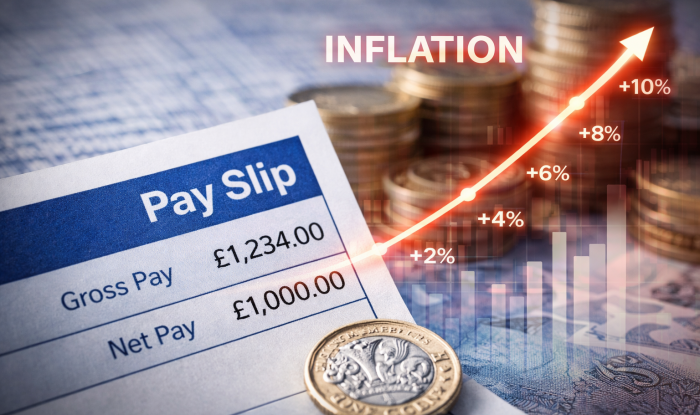
The overall percentage of those referencing inflation when setting pay has increased since 2020. This is due to inflation being at a very low level at the start of the period, which coincided with the Covid-19 pandemic. The pandemic caused a severe reduction in economic activity and as a result of this, inflation fell sharply. However, in the wake of the pandemic, a combination of global supply chain difficulties and the impact of war on energy prices pushed inflation up. This made inflation, and the resulting cost of living crisis, a major issue. This is reflected in the figures for any reference to inflation in pay setting, which rose from just over half (52%) in 2020 to four-fifths of organisations in the most recent figures.
The CPI has remained the most popular measure when being referenced in pay setting. This is because the CPI is predominant in the media’s reporting of inflation. The media focus is due to the fact that the CPI is the Government’s target for the Bank of England in its role as manager of the wider economy. However, the CPI does not include housing costs and is therefore neither the most comprehensive measure of inflation nor accurately reflects the average person’s experience of increases in the cost of living. It also tends to underestimate inflation, which may or may not be one reason why it is popular with employers.
Despite the CPI historically being the most popular measure, the figures above show the growing prominence of the CPIH measure. The CPIH was developed in order to address some of the shortcomings of the CPI indicator of inflation. It accounts for housing costs, mainly based on an estimate of private sector rents and as such is a more comprehensive measure. As a result, the ONS has made it its lead indicator (though the media continue to foreground the CPI, for the reasons already mentioned). This would explain its growing popularity from 2020 when only 28% of employers referenced it, up to the current period where 43% now reference this measure.
The RPI measure has lessened in popularity over time. The table shows that its popularity grew from 2020 to 2021 but has since switched to a downward trend, reaching its lowest point most recently. This may be due to the fact that it is no longer defined as a ‘national statistic’, by the ONS, though it continues to publish the estimate, which is still used for such items as uprating rail fares and student loans and revaluing gilts (government bonds). There are future plans to gradually phase out this measure by 2030. Although the RPI has declined in popularity, its continued use reflects the fact that it remains the most comprehensive measure of inflation, since it includes mortgage interest payments as well as rents. It does however tend to overestimate inflation, in contrast to the CPI family of measures, which tend to underestimate it.
Want to know more about inflation?
Read IDR’s other articles about inflation by clicking below.